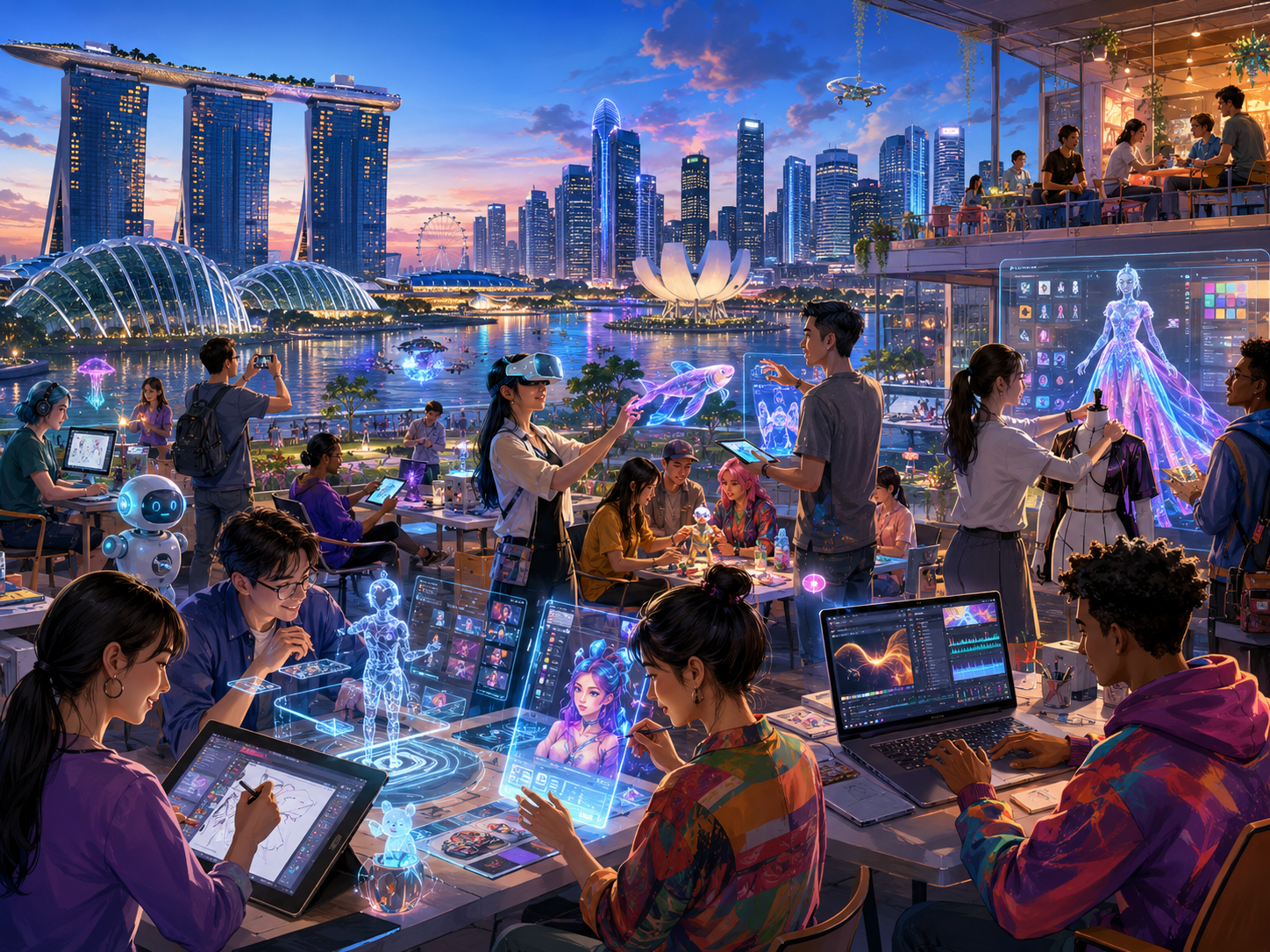
Singapore’s start-up scene has developed far beyond finance, logistics, and enterprise software. In recent years, the country has seen the rise of creative start-ups that use technology to produce new forms of art, media, entertainment, branding, and digital experiences. These businesses show that innovation is not only about engineering or software development; it is also about imagination, storytelling, design, and cultural relevance.
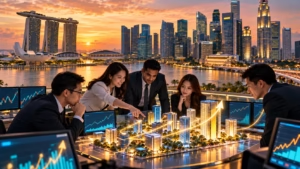
The strength of Singapore’s creative start-up ecosystem lies in the way it connects different industries. A company working in virtual reality may collaborate with museums, schools, tourism operators, or real estate developers. A design-tech start-up may support fashion labels, product manufacturers, and online retailers. A digital content company may serve brands that want to communicate with younger audiences through short videos, interactive campaigns, or immersive storytelling. This cross-industry collaboration allows creative start-ups to build products and services with wide commercial potential.
Technology gives these start-ups the ability to scale. In the past, creative businesses often depended heavily on physical production, manual processes, and local networks. Today, a Singapore-based creative company can sell digital assets, online courses, virtual events, mobile games, or design services to clients around the world. Cloud platforms, social media, e-commerce tools, and digital payment systems allow small teams to reach global customers without needing large physical offices or traditional distribution channels.
One major growth area is content technology. Singaporean start-ups are developing tools and services for video production, animation, influencer marketing, digital advertising, and online publishing. As brands compete for attention in crowded digital spaces, they need high-quality content that is fast, targeted, and measurable. Creative start-ups are meeting this demand by combining artistic skill with data. They can test audience responses, optimize campaigns, and adjust creative materials based on real-time performance.
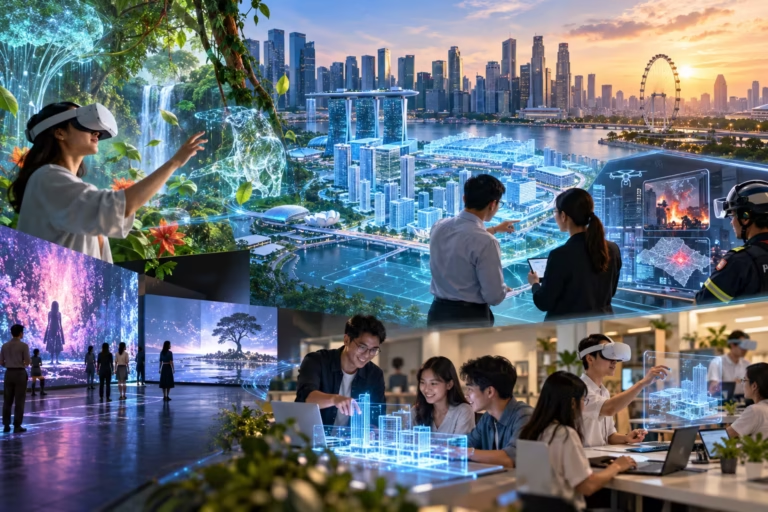
Another promising field is immersive media. Augmented reality, virtual reality, and mixed reality are opening new possibilities for entertainment, education, tourism, retail, and training. A start-up can create a virtual exhibition for an art gallery, an AR product preview for a retail brand, or a simulation for workplace learning. These experiences make content more interactive and memorable, which is valuable in a market where users expect more engaging digital interaction.
Singapore’s multicultural environment also gives creative start-ups an advantage. The country is home to diverse communities and is closely connected to Southeast Asian markets. This helps founders understand different languages, cultural preferences, consumer behaviors, and visual styles. A creative product developed in Singapore can often be adapted for audiences in Indonesia, Malaysia, Thailand, Vietnam, the Philippines, and beyond.
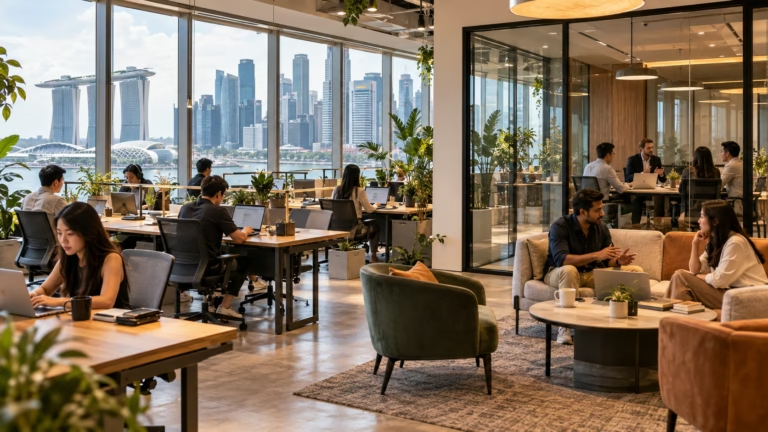
Support from public institutions strengthens this environment. Singapore has invested in digital transformation, creative talent development, media innovation, and entrepreneurship. Start-ups can benefit from grants, incubators, co-working spaces, networking events, and partnerships with universities or corporate innovation programs. These resources help creative founders turn concepts into market-ready products.
Still, the path is not easy. Creative start-ups must balance artistic ambition with business discipline. They need to protect intellectual property, manage project costs, hire multidisciplinary talent, and maintain originality while responding to client demands. Competition is also intense because digital tools have lowered barriers to entry.
Even with these difficulties, Singapore’s creative start-ups are proving that technology and creativity are strongest when they work together. By turning digital tools into cultural products and meaningful experiences, these businesses are helping define a new generation of innovation in Asia’s creative economy.