


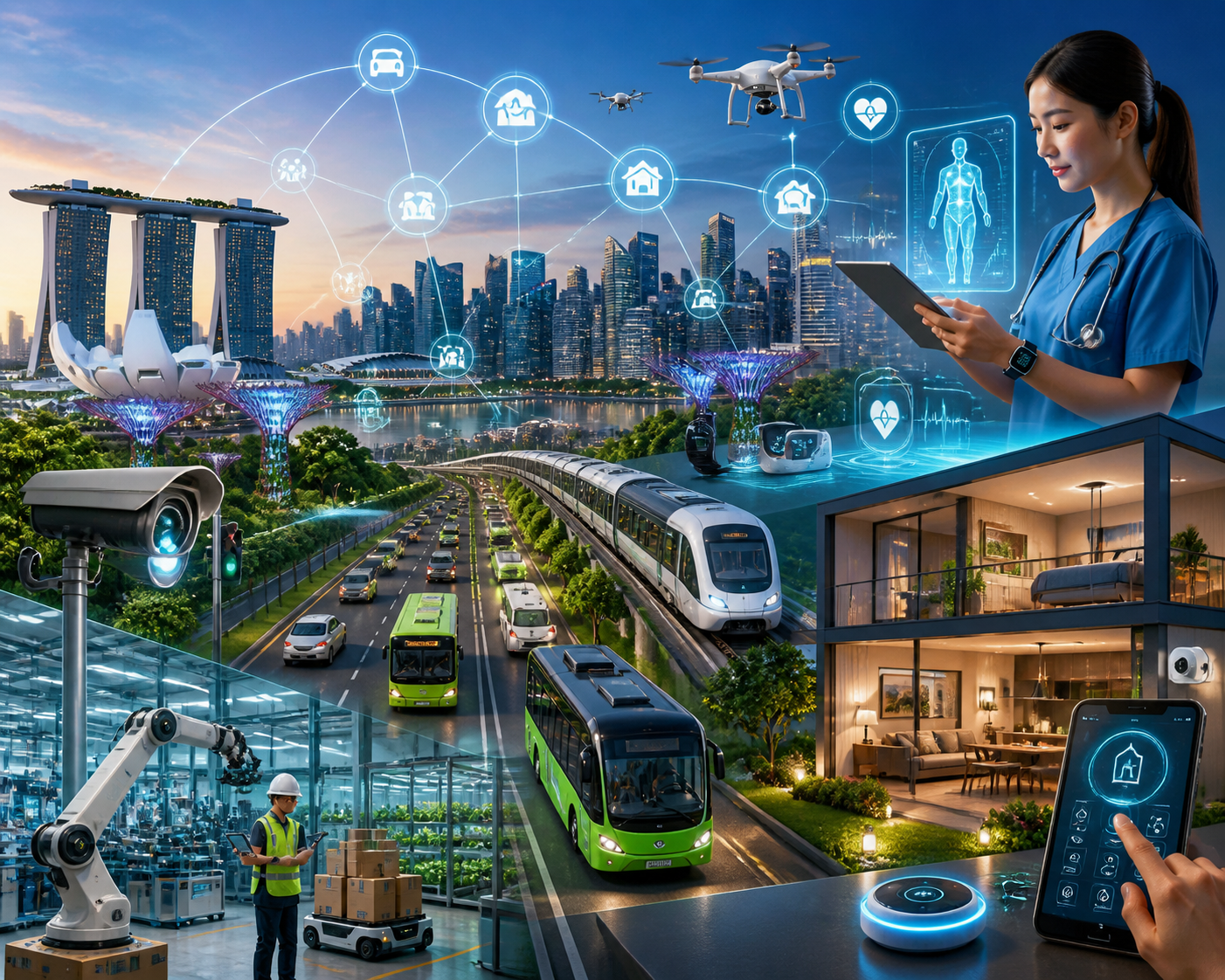
Singapore is at the forefront of adopting Internet of Things (IoT) technologies, with a clear vision of becoming a Smart Nation that leverages digital innovation to enhance everyday life. The country’s rapid development and implementation of IoT solutions have not only streamlined public services but also improved the quality of life for its residents. By harnessing the power of IoT, Singapore has transformed urban living, healthcare, transportation, and various other sectors.
The Singaporean government has been instrumental in the widespread adoption of IoT through initiatives like the Smart Nation program. Launched in 2014, this initiative envisions a future where the integration of IoT in the country’s infrastructure optimizes resources, enhances urban living, and fosters new economic opportunities. The government’s commitment to IoT development is evident in its continuous investment in digital infrastructure and policies that promote IoT adoption across industries.
In healthcare, Singapore has been a pioneer in incorporating IoT into patient care. Hospitals and clinics are now using IoT-powered systems to remotely monitor patients’ vital signs and track real-time health data. This data is shared with doctors, who can then make informed decisions and intervene faster when necessary. Additionally, healthcare providers are using IoT to improve operational efficiency, such as tracking medical equipment and ensuring the availability of critical resources.
Transportation is another area in which IoT has made significant strides in Singapore. Smart traffic management systems, powered by IoT sensors, gather data on traffic patterns, road conditions, and vehicle movements to reduce congestion and enhance the efficiency of public transport. With the integration of IoT, Singapore’s public transport system is more reliable, and its roads are less congested, benefiting both commuters and the environment.
Singapore’s push toward creating smart homes is another area where IoT technology is having a transformative effect. Many new residential buildings are designed with IoT solutions that allow homeowners to control lighting, climate, and security remotely. This not only makes daily life more convenient but also increases energy efficiency and enhances security.
Moreover, Singapore has fostered a vibrant IoT ecosystem with a growing number of startups and established companies working on innovative IoT solutions. These companies are developing technologies for industries ranging from manufacturing and agriculture to logistics and retail. The government’s support through funding programs and collaborations with research institutions has helped nurture the growth of these startups, which are key players in driving IoT innovation in the region.
The rollout of 5G technology in Singapore further strengthens its IoT ecosystem. With faster speeds and lower latency, 5G will allow IoT devices to communicate more efficiently and enable real-time applications like autonomous vehicles and smart cities. The Singaporean government’s ambitious plans to roll out 5G nationwide will ensure that IoT technologies can reach their full potential and deliver even greater value across various sectors.
As IoT continues to evolve, Singapore remains a global leader in digital transformation. By focusing on smart, sustainable, and interconnected systems, Singapore is paving the way for other nations to follow in its footsteps in building a more connected and efficient world.