

Singapore’s transportation sector has undergone a remarkable transformation, driven by technology, sustainability initiatives, and the need for efficient urban mobility. As one of the world’s most densely populated cities, the city-state relies on forward-thinking transportation companies to maintain smooth transit operations and reduce congestion. Today, transport providers in Singapore are integrating smart technologies, eco-friendly vehicles, and flexible services to meet diverse commuter needs.
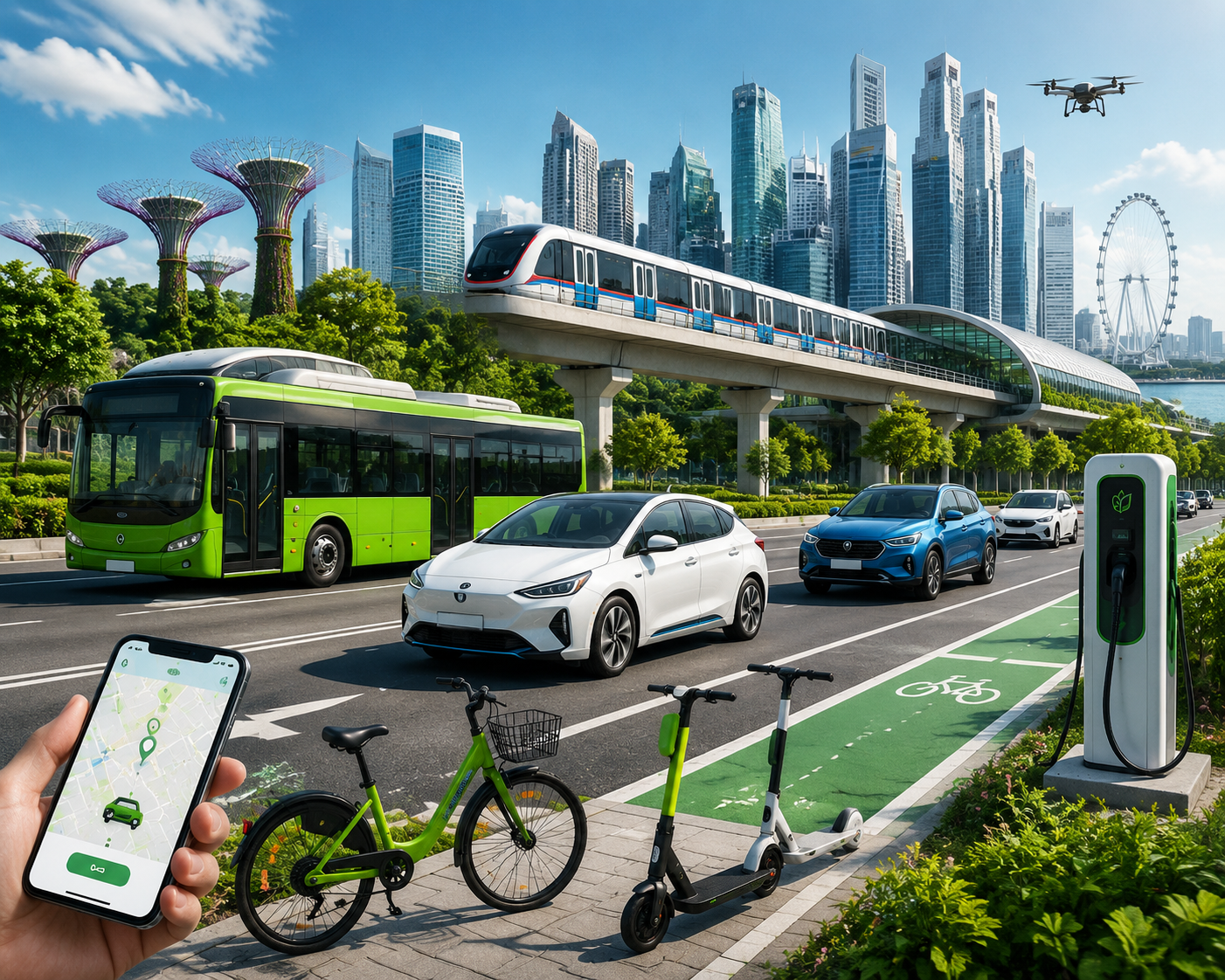
A major player in this ecosystem is ComfortDelGro, operating one of the largest fleets of taxis, buses, and private hire vehicles in the region. The company has embraced digital innovation by offering mobile booking applications, cashless payment options, and predictive analytics for route optimization. These advancements allow commuters to enjoy faster, more reliable rides, while the company reduces fuel consumption and streamlines operations. ComfortDelGro is also expanding its fleet of electric and hybrid vehicles, highlighting the industry’s commitment to environmental sustainability.
App-based ride-hailing platforms, including Grab and Gojek, have significantly changed urban commuting in Singapore. These services combine real-time tracking, flexible payment options, and multi-modal transport integration to provide a seamless travel experience. Moreover, these platforms are increasingly offering logistics solutions such as food and parcel delivery, demonstrating how transportation providers are evolving beyond traditional passenger services to meet broader urban mobility demands.
Public transportation authorities also play a vital role in Singapore’s modern mobility framework. SMRT Corporation and SBS Transit manage extensive rail and bus networks that integrate advanced technologies, such as automated fare systems, predictive train maintenance, and intelligent traffic management. These innovations enhance commuter satisfaction, reduce delays, and allow operators to manage large volumes of passengers efficiently.
Micro-mobility solutions have also gained traction in Singapore, particularly for short-distance commuting. Companies offering shared bicycles, e-scooters, and electric scooters have created practical options for first- and last-mile travel. Strategic partnerships with city planners ensure safe and convenient access to these services, with dedicated parking zones, clearly marked paths, and connectivity to MRT stations, making them a valuable complement to the city’s public transport network.
Sustainability remains a key driver in the city’s transportation evolution. By incorporating electric vehicles, renewable energy sources, and smart mobility systems, Singapore’s transport companies are actively reducing the city’s carbon footprint. Residents benefit from safer, faster, and more environmentally friendly commuting options, which align with the government’s broader vision for sustainable urban development.
Ultimately, Singapore’s transportation sector reflects a combination of technological innovation, eco-conscious practices, and passenger-centered service. By continuously enhancing digital platforms, expanding clean vehicle fleets, and diversifying mobility options, the city’s transport providers are ensuring a highly efficient, future-ready urban transport ecosystem.




![[Safe Travel in Japan] First-Ever “Summer Resort Health & Wellness Guide” for Singaporean Travelers](https://tradehubsingapore.com/wp-content/uploads/2026/05/public-2-300x200.png "[Safe Travel in Japan] First-Ever “Summer Resort Health & Wellness Guide” for Singaporean Travelers")