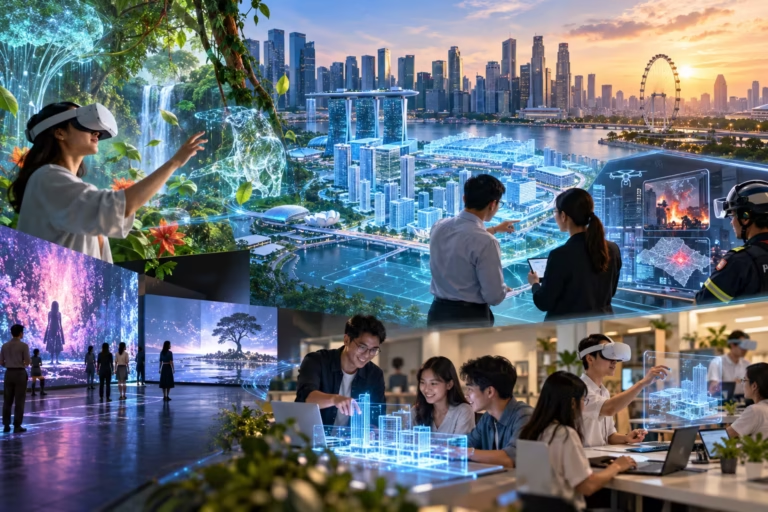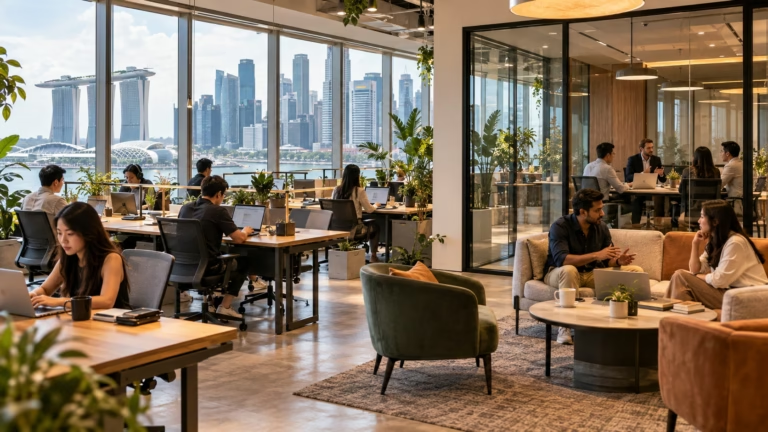


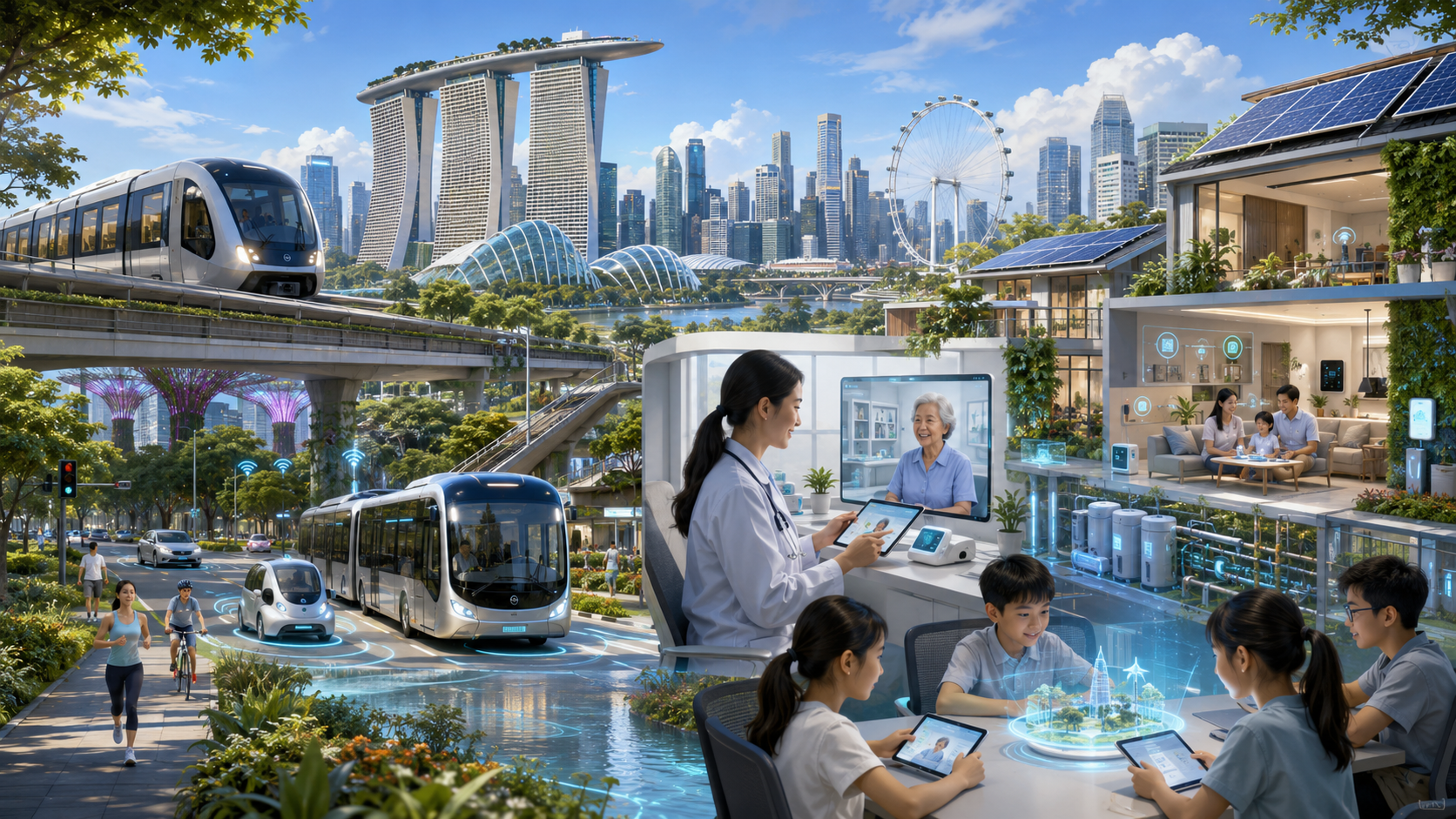
Singapore’s rapid development into a high-tech metropolis showcases the transformative potential of technology in enhancing citizens’ quality of life. The city-state’s strategic embrace of digital innovation permeates transportation, healthcare, education, and urban sustainability, creating a living environment that is efficient, convenient, and inclusive.
Transportation technology plays a crucial role in making daily commuting seamless. Singapore employs smart traffic management systems that utilize sensors, big data analytics, and AI algorithms to monitor and control traffic flows. Real-time updates on buses, trains, and ride-hailing services allow commuters to plan their journeys effectively, reducing travel stress and waiting times. Furthermore, innovations like autonomous vehicle trials and electric public buses contribute to eco-friendly urban mobility, lowering emissions and improving air quality in densely populated areas.
In healthcare, digital solutions have significantly enhanced patient care and accessibility. Hospitals utilize electronic medical records (EMRs), telehealth platforms, and AI-assisted diagnostic systems to provide faster, more accurate treatment. Wearable health trackers and mobile wellness apps empower individuals to monitor their own physical activity, sleep patterns, and vital signs. These tools facilitate preventive healthcare, allowing doctors and citizens alike to address potential health issues before they escalate. This proactive approach improves both the efficiency of the healthcare system and the overall well-being of Singaporeans.
Singapore’s urban planning also reflects its commitment to smart city principles. IoT-enabled devices, sensors, and predictive analytics optimize resource management in housing, energy, and water usage. Smart homes equipped with automated lighting, climate control, and security systems enhance convenience while promoting energy efficiency. Waste management systems leverage digital monitoring to ensure timely collection and recycling, reducing environmental impact. By integrating technology into urban infrastructure, the government ensures a balance between high-quality living and sustainability.
The education sector has embraced digital learning tools, enabling a more interactive and personalized approach. AI-based platforms help educators assess student performance in real time, offering tailored guidance for individual learning needs. Virtual classrooms, online resources, and collaborative tools expand access to education while fostering digital literacy, preparing students for a technology-driven economy. These innovations not only enhance learning outcomes but also ensure equal opportunities for students across the country.
Government services in Singapore have undergone a digital revolution through e-governance initiatives. Citizens can perform a variety of administrative tasks online, such as paying bills, accessing healthcare information, and managing permits. This shift streamlines processes, reduces waiting times, and improves accessibility for all residents. By simplifying interactions with public institutions, technology directly contributes to higher satisfaction and quality of life.
Overall, Singapore’s technological ecosystem illustrates how digital tools and innovation can improve daily living. By enhancing transportation efficiency, healthcare quality, urban sustainability, education, and government services, technology has become an essential driver of well-being and convenience. Singapore continues to set a global standard for leveraging innovation to create a smarter, healthier, and more connected society.