
The boardrooms of Singaporean SMEs are often fixated on the glitz of ASEAN’s Tier-1 capitals: Singapore, Jakarta, Bangkok, and Kuala Lumpur. However, a data-driven analysis of consumer spending patterns reveals a compelling narrative: the action has moved to the secondary hubs. Cities like Surabaya, Penang, Cebu, and Da Nang are experiencing an economic renaissance, fueled by a rising middle class that is aspirational, digitally connected, and underserved by premium goods.
The Tier-2 Sweet Spot
The allure of Tier-1 cities is obvious—density and infrastructure. But for a Singaporean SME with limited marketing budgets, these capitals represent a red ocean of brutal competition and exorbitant real estate costs. Conversely, Tier-2 cities offer a “blue ocean” scenario.
Consumers in these cities have significant disposable income, often driven by manufacturing and tech sector jobs, but they lack the variety of retail options found in capitals. They are hungry for the quality and innovation that Singaporean brands represent. Furthermore, the influence of social media has democratized trends; a consumer in Cebu sees the same TikTok trends as a consumer in Manila, but they have fewer options to satisfy that demand locally. This creates a perfect entry point for Singaporean SMEs.
Hyperlocal Distribution Networks
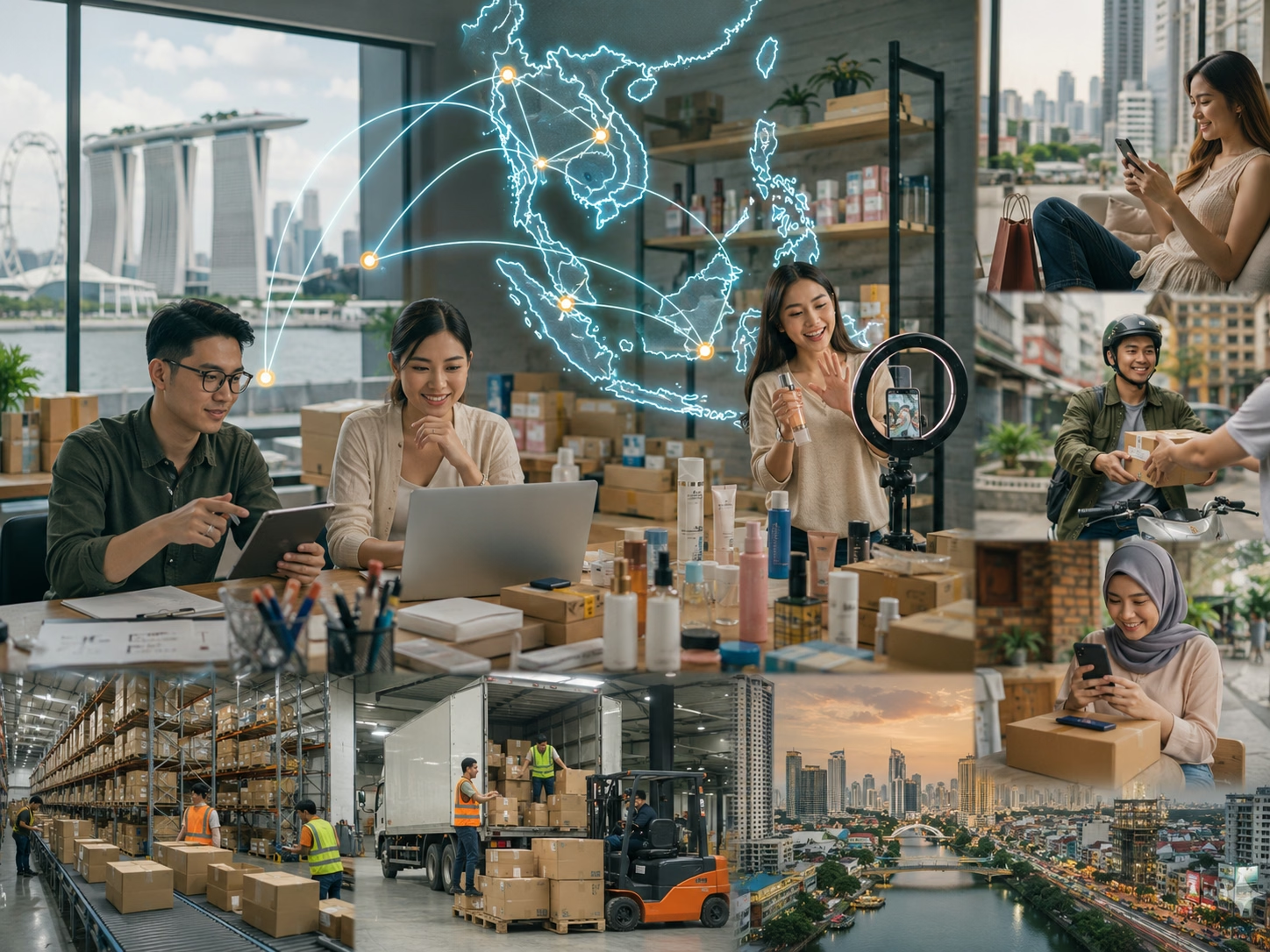
The traditional distribution model of partnering with one national distributor often fails in these regions. The geography of archipelagic nations like the Philippines and Indonesia makes national logistics a nightmare. The successful Singaporean strategy in 2026 involves “Hub-and-Spoke” distribution.
Instead of shipping from Singapore to a central Jakarta warehouse, savvy SMEs are partnering with local logistics players in Surabaya or Medan directly. By utilizing free trade zones and direct sea freight routes from Singapore to these secondary ports, they bypass the congestion of the capital, reducing delivery times by days and cutting costs significantly.
The “Local Hero” Marketing Strategy
Mass media advertising is ineffective for targeting Tier-2 consumers due to its broad scope and high cost. Instead, the focus is on micro-influencers and community engagement. A Singaporean coffee brand entering Penang might bypass billboards and instead collaborate with local coffee shop owners or university communities.
This grassroots approach builds trust faster. The consumer sees the brand not as a foreign invader, but as a local staple enriched by Singaporean standards of food safety and service. According to a World Bank report on Indonesia’s urban development, the GDP growth of secondary cities is outpacing Jakarta, making them the new engines of the archipelago’s economy. (Link to World Bank Indonesia Urbanization data)
By looking beyond the obvious metropolises and embedding themselves in the fabric of emerging urban centers, Singaporean SMEs are positioning themselves ahead of the curve for the next decade of consumption growth.