
While large institutions often dominate headlines, the real growth in Singapore’s 2026 creative economy is happening among independent studios, freelance curators, and small heritage enterprises. These operators are finding underserved niches where they can build strong regional brands without needing massive capital.
Why Singapore’s Location Still Matters for Creative Trade
Singapore sits at the centre of Southeast Asian art and cultural flows. Buyers from Indonesia, Malaysia, Thailand, and the Philippines frequently travel to Singapore for art events and private sales. This regional accessibility gives Singapore-based creative businesses a structural advantage in cross-border art trade, licensing, and cultural tourism.
Regional Buyers Are Flowing Into Singapore Art Markets
In 2026, Singapore’s art fairs and auction previews are attracting a broader base of Southeast Asian collectors. Independent studios that position themselves as regional specialists—rather than local-only operators—are capturing higher-value contracts and repeat purchases.
The Biggest Opportunity Gaps in 2026
Arts Education and Corporate Wellness Partnerships
Corporations are increasing their spending on arts-based learning, team-building, and wellness programmes. Independent artists and studios can package workshops, curator-led tours, and creative facilitation services for corporate clients. This segment offers predictable recurring revenue compared with one-off art sales.
Heritage-Based Creative Products for Tourism
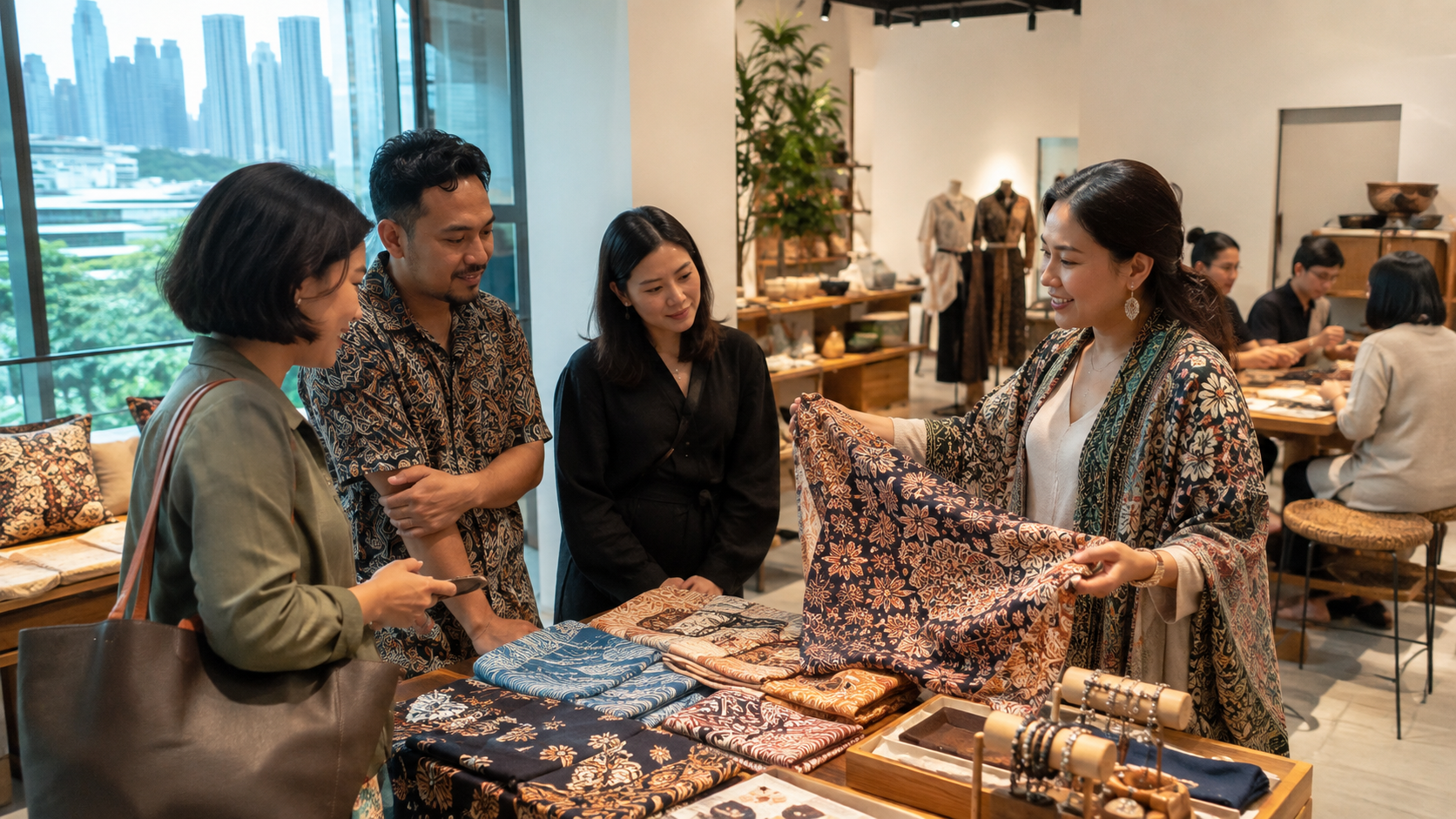
Singapore’s multicultural heritage is being translated into commercial products, from contemporary batik and Peranakan-inspired design to audio storytelling and cultural food experiences. Small studios that combine authentic heritage research with modern branding are finding demand from both tourists and corporate gifting programmes.
Real Case: A Small Batik Studio Turned Regional Export Success
A Singapore studio focusing on contemporary batik and textile heritage began by selling small runs at weekend markets. In 2025, it partnered with a regional fashion retailer and a corporate gifting platform. By 2026, the studio was exporting to three Southeast Asian countries and running paid workshops for corporate clients. The business remained independent while building a regional distribution network.
Building a Sustainable Pipeline Without Losing Artistic Integrity
The most stable creative businesses in Singapore treat artistic work and commercial operations as connected but separate functions. They schedule creative production time, protect intellectual property through licensing, and develop simple service packages that can be sold repeatedly. Instead of chasing every opportunity, they build a narrow niche and deepen relationships with a defined buyer group.
Independent operators who combine regional positioning with recurring corporate or educational revenue are finding untapped space in Singapore’s art economy.