

In 2026, Singapore’s food and beverage industry is operating like a well-oiled export machine. Companies that once focused on domestic customers are now building regional supply chains, automating production, and localizing menus for diverse Asian markets. This strategy map explains why Singapore F&B brands are winning in an increasingly competitive culinary landscape.
Exports and Franchising: The Main Growth Engines
Singapore’s small domestic market makes exports and franchising essential. Enterprise Singapore’s 2026 industry data projects an 8.4 percent annual increase in F&B exports and franchise deals through 2028. Indonesian cities such as Jakarta, Bandung, and Surabaya are prime targets because of their large populations and growing middle class. Vietnamese and Thai markets are also attractive due to their young demographics and rising demand for international food concepts. Companies like Jumbo Group and BreadTalk have refined their franchise models to reduce capital risk while scaling quickly.
Halal Certification Expands Market Access
Many Singapore F&B firms now view halal certification as a non-negotiable requirement for regional growth. The halal food market in Asia and the Middle East is worth hundreds of billions of dollars annually. By certifying their products and kitchens, Singapore brands can sell to Indonesia, Malaysia, and the Gulf Cooperation Council countries without facing regulatory barriers. In 2026, halal-certified Singapore snacks, sauces, and ready-to-eat meals are appearing in major supermarket chains across the region. This certification also strengthens brand trust among health-conscious consumers who equate halal with stringent quality checks.
Automation Reduces Costs and Boosts Consistency
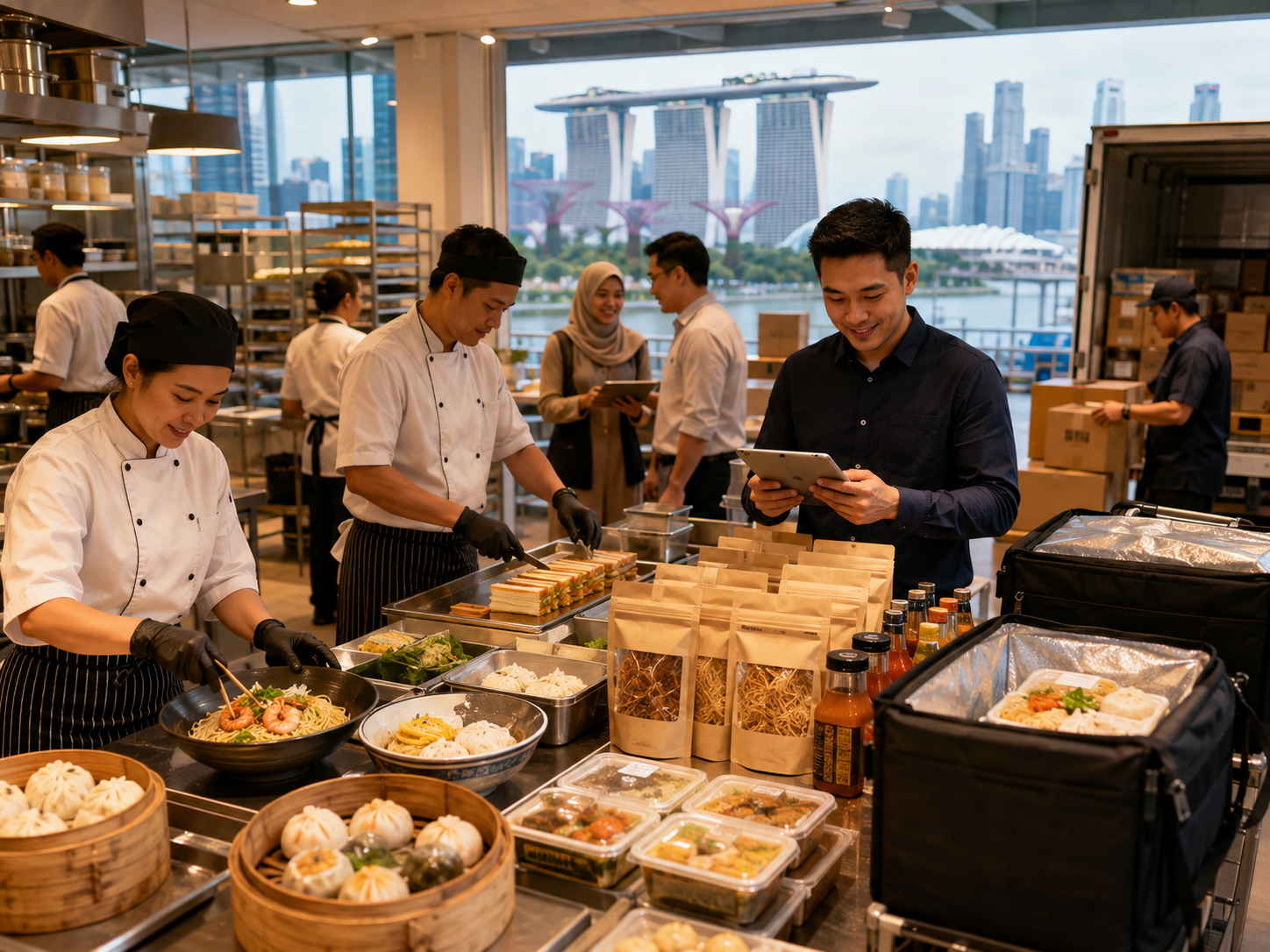
Labor shortages have pushed Singapore F&B companies to automate aggressively. Central kitchens now use automated stir-fry machines, robotic packers, and AI-driven quality control systems. These technologies allow a single Singapore facility to supply dozens of overseas outlets with consistent products. Point-of-sale data flows back to headquarters in real time, enabling demand forecasting that minimizes food waste and stockouts. For franchise partners, this automation means they can operate with fewer skilled staff, which is a major advantage in markets with high employee turnover.
Localization Through Data and Consumer Feedback
Localization is more than translating a menu. Singapore F&B companies use social listening tools and customer feedback platforms to understand local preferences. In Indonesia, sauces may be made sweeter; in Thailand, chili heat is increased; in Vietnam, fresh herbs are added. Packaging sizes are also adjusted to match local purchasing habits. By tailoring products while maintaining a recognizable Singaporean identity, brands achieve higher repeat purchase rates and stronger brand loyalty.
Sustainable Supply Chains as a Differentiator
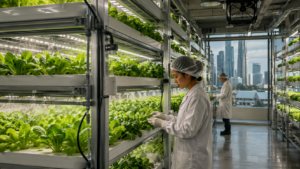
Singapore F&B companies are investing in sustainable sourcing to appeal to modern consumers. The Singapore Food Agency’s “30 by 30” initiative encourages local food production and alternative proteins. As a result, several brands now offer plant-based versions of traditional dishes like laksa and chicken rice. These products are marketed as environmentally friendly and are gaining popularity in eco-conscious markets such as Taiwan and South Korea. Sustainable packaging and carbon-neutral delivery options further strengthen the brand image.
Singapore’s F&B strategy in 2026 is clear: export aggressively, automate production, localize intelligently, and certify for halal markets. This disciplined approach is turning the city-state into a culinary export powerhouse.