



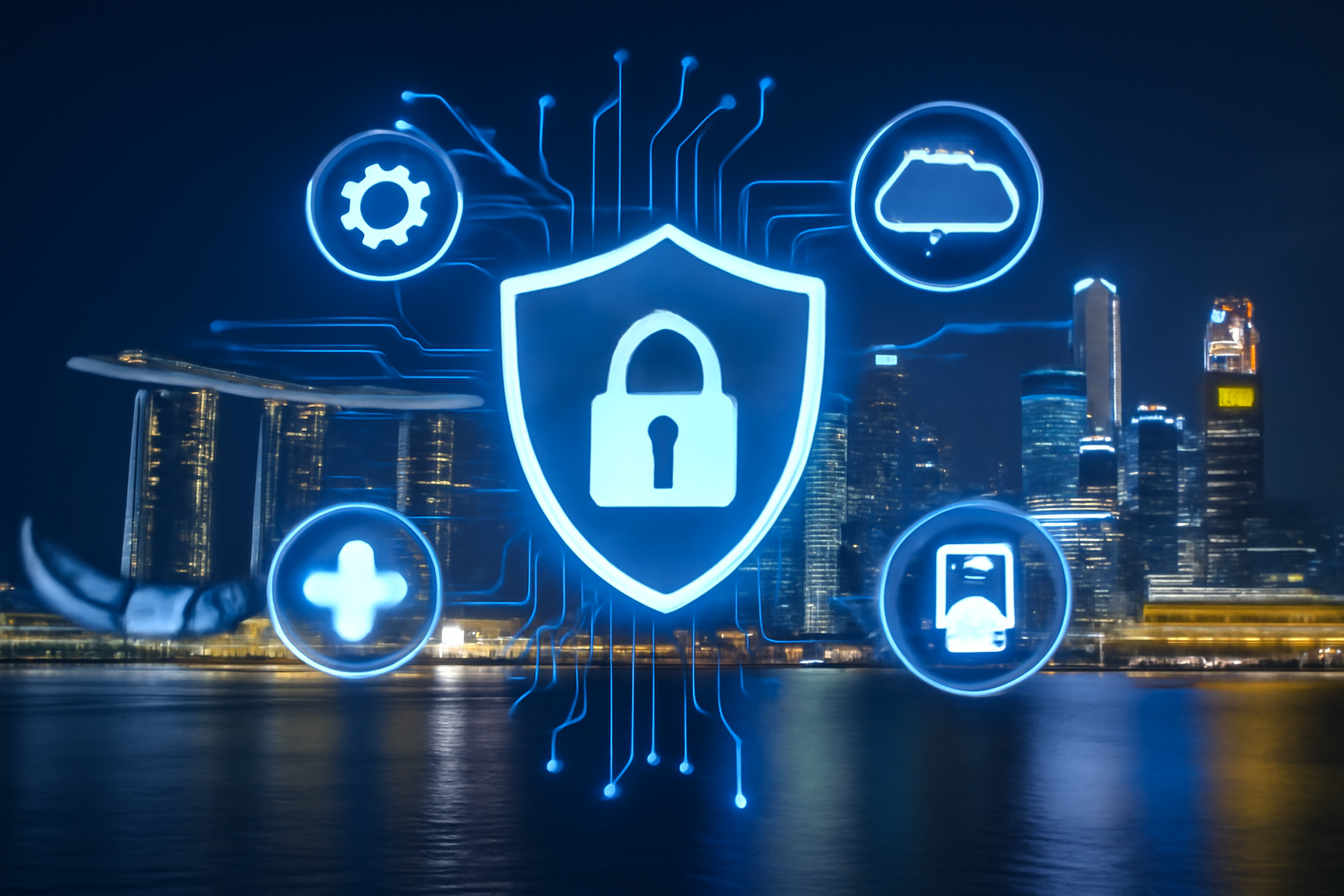
As one of the world’s most digitally connected cities, Singapore has recognized the growing threat posed by cybercriminals in the age of advanced technology. In recent years, the nation’s cybersecurity industry has rapidly evolved to tackle the increasing complexity of cyber threats, positioning itself as a key player in global cybersecurity efforts. With its strategic location in the heart of Southeast Asia and a robust digital economy, Singapore is uniquely positioned to lead the way in building a secure cyberspace.
The foundation for Singapore’s cybersecurity framework was laid with the creation of the Cyber Security Agency of Singapore (CSA) in 2015. This government agency was established to provide oversight and coordinate national efforts to defend the country’s digital infrastructure. The CSA’s efforts are not only focused on protecting critical sectors, such as finance, healthcare, and transportation but also on ensuring the safety of citizens in their everyday digital interactions.
One of the most significant challenges facing Singapore is the rapid pace at which cyber threats are evolving. Cybercriminals are becoming increasingly sophisticated, using methods such as ransomware, phishing attacks, and advanced persistent threats (APTs) to exploit weaknesses in systems and infrastructure. The shift to digital services across both public and private sectors has made Singapore an attractive target for cyber attacks, increasing the urgency for effective cybersecurity strategies.
In response to these threats, the Singaporean government has launched several key initiatives to strengthen its cybersecurity posture. Among these is the Singapore Cybersecurity Strategy, which outlines the nation’s vision to create a resilient digital environment. The strategy emphasizes building strong public-private partnerships and enhancing the cybersecurity capabilities of individuals, businesses, and organizations. Through this collaborative approach, Singapore seeks to foster a culture of cybersecurity awareness, ensuring that all stakeholders play an active role in maintaining digital security.
Cybersecurity education and workforce development have become focal points in Singapore’s broader national strategy. The country has recognized the need for a well-trained cybersecurity workforce to stay ahead of evolving cyber threats. In particular, the government has partnered with educational institutions and industry leaders to provide specialized training programs aimed at equipping young talent with the skills necessary to combat cyber threats effectively. These initiatives are designed to ensure that Singapore remains competitive in the global cybersecurity landscape.
Furthermore, Singapore has built a reputation for its strong regulatory environment, which helps promote a high level of cybersecurity compliance among businesses. For example, the Personal Data Protection Act (PDPA) ensures that businesses handle personal data responsibly and transparently. The act sets out clear guidelines on data protection practices, strengthening consumer confidence in the digital economy and contributing to Singapore’s growing reputation as a safe place for online transactions.
The cybersecurity industry itself is flourishing, with numerous startups and multinational companies establishing a presence in Singapore. This growth is supported by the government’s favorable policies and tax incentives for businesses in the technology sector. Singapore has become a hub for innovation, attracting cybersecurity firms that develop cutting-edge solutions to address emerging threats. As the demand for cybersecurity services continues to grow globally, Singapore’s strategic position makes it a key player in the cybersecurity supply chain.
Despite these efforts, the evolving nature of cyber threats means that Singapore’s cybersecurity landscape must remain agile and responsive. As the country continues to integrate emerging technologies such as artificial intelligence, blockchain, and 5G, cybersecurity will remain at the forefront of national policy discussions. With a strong foundation in place, Singapore’s commitment to cybersecurity is essential in ensuring the long-term security and stability of its digital economy.