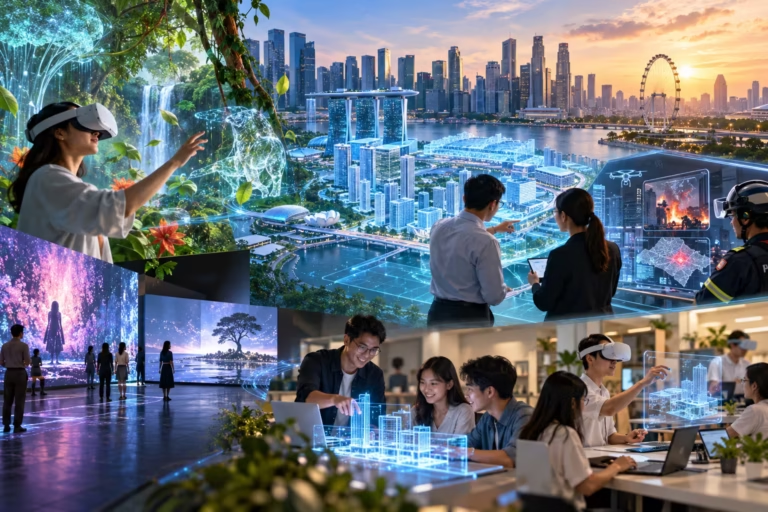


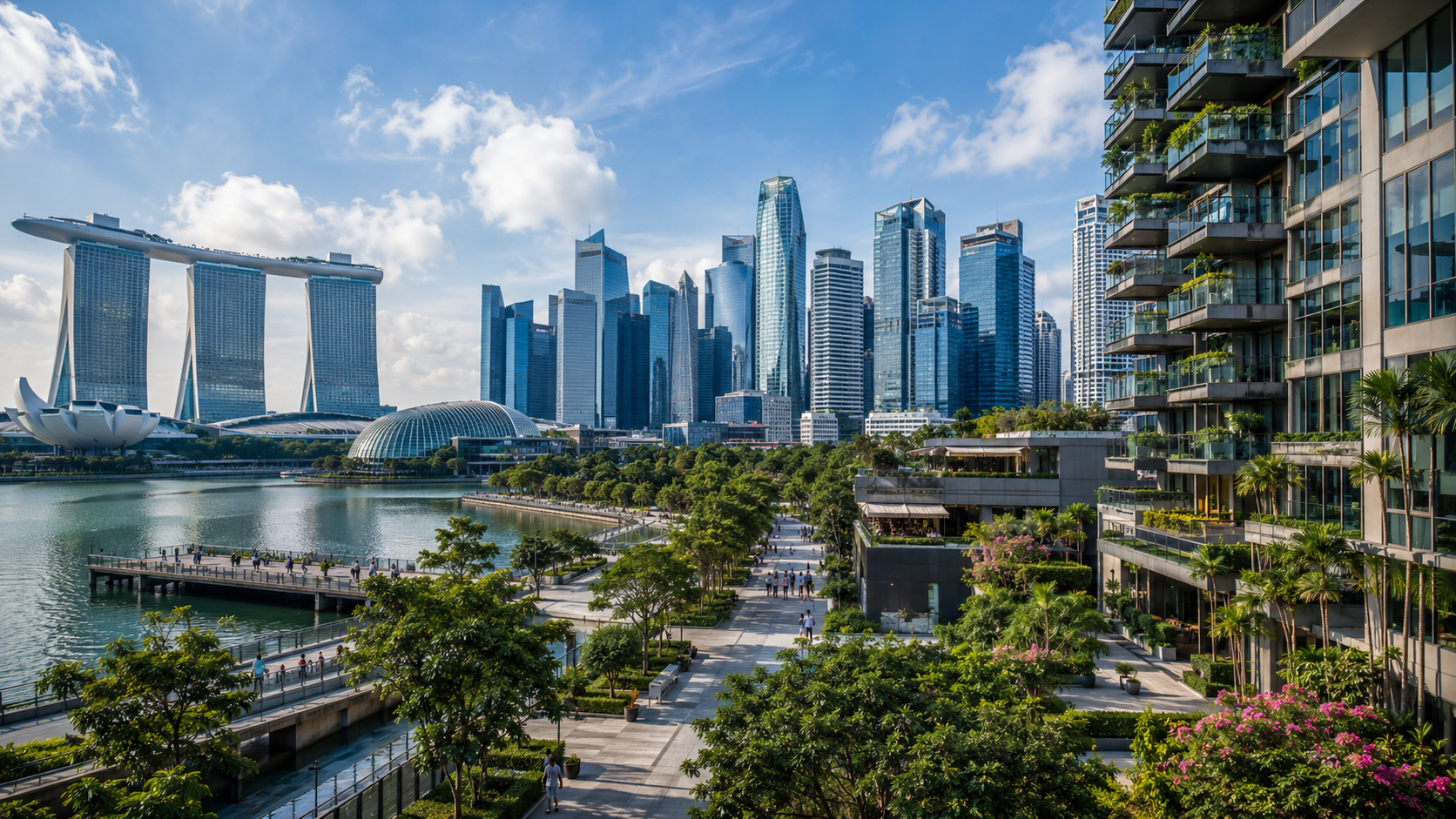
Singapore’s property industry represents one of the most carefully managed real estate ecosystems in the world. The sector combines private enterprise, government planning, and international investment to create a highly competitive urban environment.
Major property companies have become important contributors to Singapore’s economic development by creating residential communities, commercial districts, and global investment assets.
The Role of Major Singapore Property Companies
Companies such as CapitaLand, UOL Group, Frasers Property, and City Developments Limited have shaped Singapore’s skyline and expanded their influence internationally.
These companies operate across multiple property segments, including residential housing, retail centers, offices, hospitality, and industrial facilities. Diversification allows them to manage market cycles more effectively.
Their projects often become landmarks that influence how people experience the city.
Urban Planning and Property Value Creation
Singapore’s real estate success is closely connected to long-term planning. Development decisions consider transportation networks, population growth, economic activity, and environmental sustainability.
This creates a predictable environment for investors. Unlike many cities where development occurs without coordination, Singapore integrates infrastructure and property growth.
The URA provides official information regarding planning and property market conditions:
https://www.ura.gov.sg/Corporate/Property/Property-Data
Current Investment Trends in Singapore Real Estate
Recent years have seen increased interest in alternative real estate sectors. Beyond traditional residential projects, investors are focusing on logistics facilities, technology-related properties, and sustainable commercial buildings.
The expansion of digital businesses has increased demand for data centers and advanced infrastructure. Meanwhile, global companies continue seeking premium office locations in Singapore.
These trends demonstrate that the property industry is adapting to new economic realities.
Balancing Investment Growth and Housing Needs
One major issue facing Singapore is maintaining a balance between attracting investment and ensuring housing affordability.
Government measures influence market activity by regulating transactions and preventing excessive speculation. These policies create a more stable environment but require developers to adjust their strategies.
Successful property companies must understand both investor expectations and social responsibilities.
Singapore’s Real Estate Future
The future of Singapore’s property sector will likely be shaped by sustainability, technology, and changing lifestyles. Developers that create flexible, efficient, and environmentally responsible spaces will remain competitive.
Singapore’s experience demonstrates how property companies can become strategic partners in national development rather than simply construction businesses.